

When Should You Seek Professional Wound Care Services?
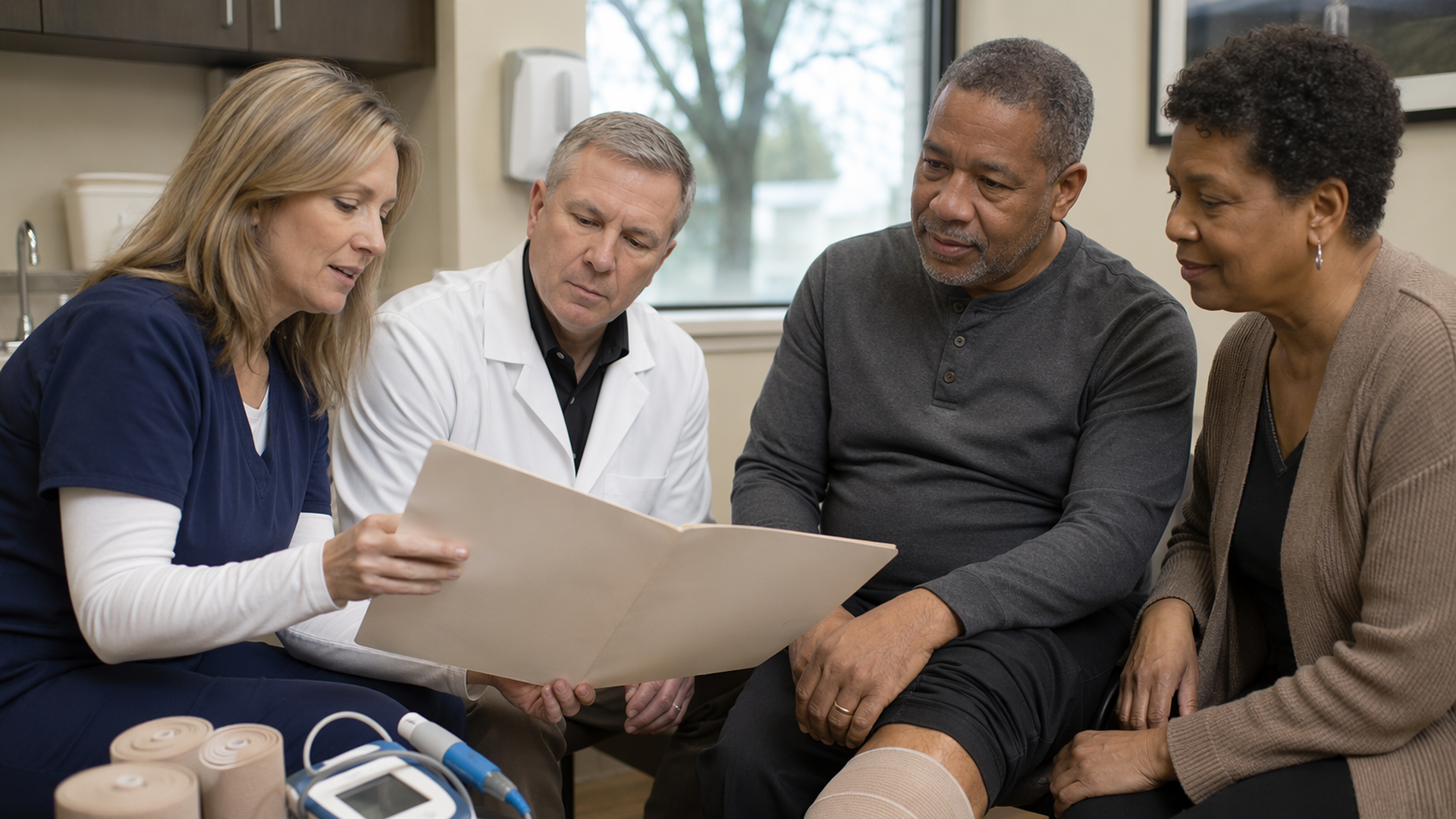
Most minor wounds, such as small cuts and scrapes, heal without medical intervention when properly cleaned and protected.
However, certain wounds require professional evaluation and treatment to help prevent complications.
Wounds that may need urgent medical care include those that are deep, jagged, contaminated, or continue bleeding after 10 to 15 minutes of firm direct pressure. Puncture wounds, animal bites, and injuries involving joints, tendons, or bones also require medical assessment because of infection risk and potential structural damage.
Signs of infection, including increasing redness, warmth, swelling, discharge, worsening pain, or fever, can indicate that a wound needs clinical attention.
People with diabetes, circulatory disorders, or compromised immune systems face a higher risk of wound complications and should seek medical advice earlier in the healing process.
A wound may be considered chronic when it does not progress through the expected healing process, often after four weeks, though the appropriate timeframe depends on the wound type and the patient’s circumstances. These wounds often require specialized care to address factors that may be preventing recovery.
Warning Signs You Need Professional Wound Care
Wound healing is a complex biological process that does not always proceed without complications. Certain conditions indicate that professional medical evaluation is necessary.
Infection is one of the most common and serious concerns. Warning signs include spreading redness around the wound, localized swelling, increased warmth, foul odor, pus-like drainage, worsening pain, or fever. These symptoms should be assessed promptly because treatment depends on the cause and severity of the infection.
Wound healing timelines provide another important benchmark. A wound that shows little improvement, becomes larger, develops more drainage, or becomes increasingly painful should be evaluated. This is particularly important for people with diabetes, peripheral artery disease, venous disease, or compromised immune function, all of which can impair normal tissue repair.
Diabetic foot ulcers are a clinically distinct category of chronic wounds. Peripheral neuropathy and reduced circulation can make them harder to detect and heal. They may require debridement, offloading, infection management, circulation assessment, and other interventions beyond routine home care.
Wounds that expose bone, tendon, or joint structures carry a heightened risk of deep tissue infection and require immediate medical evaluation rather than self-managed treatment.
A specialist can determine whether the wound requires routine follow-up, advanced treatment, or coordination with other members of the healthcare team. In-home wound care services may also help patients with limited mobility receive assessment and ongoing treatment without the added challenge of frequent travel.
Delayed or inadequate care for complex wounds can result in serious outcomes, including tissue damage, systemic infection, and, in severe cases, amputation. A qualified wound care specialist can conduct a thorough assessment, identify contributing factors, and implement an appropriate treatment plan.
Types of Wounds That Need Specialized Wound Care
Certain wound types carry a higher risk of complications and may not heal adequately without professional intervention. Diabetic foot ulcers, for example, can develop in the context of peripheral neuropathy and impaired circulation, both of which reduce the body’s ability to detect and repair tissue damage.
Pressure injuries result from sustained pressure that disrupts blood flow to localized tissue and can progress into deeper tissue layers if not properly managed. Non-healing surgical wounds may indicate infection, poor perfusion, wound separation, or compromised tissue integrity. Ischemic wounds occur when arterial insufficiency limits oxygen delivery to tissue, creating an environment where healing is physiologically impaired.
Vascular disease is a common contributing factor across several of these wound types because reduced circulation affects oxygen delivery and immune-cell activity. In these cases, treating the wound surface alone is not enough. The underlying circulatory issue must also be evaluated and managed.
Wound care specialists may use debridement, infection management, compression when appropriate, offloading techniques, and other advanced therapies depending on the wound’s cause. Early involvement of specialized care may reduce the risk of worsening infection, tissue damage, and limb-threatening complications.
Medical Conditions That Slow or Stop Wound Healing
Diabetes, vascular disease, and immune system disorders are among the medical conditions that can impair wound healing. In people with diabetes, peripheral neuropathy and reduced circulation can make wounds, especially foot ulcers, difficult to heal and more prone to complications.
Vascular diseases such as peripheral artery disease can limit blood flow to affected tissues, restricting the delivery of oxygen and nutrients needed for repair. Immune system disorders, including some autoimmune conditions and conditions requiring immunosuppressive treatment, can reduce the body’s ability to respond to infection and heal damaged tissue.
Diabetes and Wound Healing
Diabetes can significantly impair the wound healing process. People with diabetes have an elevated risk of developing foot ulcers, particularly when peripheral neuropathy, foot deformity, poor circulation, or poorly controlled blood glucose are present.
High blood glucose can affect immune function and increase susceptibility to infection. Peripheral neuropathy may reduce sensation, while poor circulation can limit the oxygen and nutrients reaching a wound. These factors can delay healing and raise the risk of serious complications.
Early medical intervention and specialized wound care protocols can improve outcomes and reduce the risk of infection and limb-threatening complications.
Vascular Disease Complications
Vascular disease can impair wound healing by restricting blood flow and reducing the delivery of oxygen and nutrients to damaged tissue. Peripheral artery disease is a common condition that diminishes circulation and can increase the risk of slow-healing wounds, especially in the feet and lower legs.
In individuals with vascular disease, even minor wounds may progress to ulcers, tissue necrosis, or gangrene if circulation is severely compromised. Timely medical evaluation allows clinicians to assess blood flow, address infection, and determine whether vascular treatment is needed.
Recognizing changes in wound appearance, increased pain, color changes in the surrounding skin, or signs of infection and reporting them promptly can support better clinical decision-making.
Immune System Disorders
Immune system disorders can impair the wound healing process through mechanisms that differ from vascular disease. Conditions such as rheumatoid arthritis, lupus, HIV, and diabetes, along with medications such as corticosteroids and other immunosuppressants, can increase the risk of infection and delayed recovery.
Compromised immune function can disrupt inflammation regulation, cellular repair, and tissue remodeling. This can make wounds more susceptible to infection and chronicity.
Early assessment by a wound care specialist is advisable for individuals with these underlying conditions, particularly if a wound is worsening or not improving as expected.
Treatments You May Receive From a Wound Care Specialist
Wound care specialists can provide assessment and treatment options that may not be available in every primary care or urgent care setting. Testing may help identify contributing factors such as poor circulation, infection, diabetes, pressure, or compromised tissue perfusion.
Depending on the wound and the provider’s setting, treatment may include debridement, specialized dressings, negative pressure wound therapy, compression therapy, offloading, infection management, or coordination with surgical and vascular specialists. Some hospital-based wound centers also offer hyperbaric oxygen therapy for carefully selected conditions.
Advanced Diagnostic Testing Options
Wound care specialists may use vascular studies to evaluate blood flow and identify circulation problems contributing to delayed healing. Blood tests can help identify factors such as elevated glucose levels, nutritional concerns, or signs of infection.
Imaging studies, including X-rays, ultrasound, or MRI, may be used when there is concern about deeper tissue damage, a foreign body, or bone involvement. Doppler ultrasound and other noninvasive vascular tests can evaluate arterial and venous circulation and help inform treatment decisions.
The findings from these assessments help clinicians develop treatment plans based on the wound’s characteristics and underlying causes.
Specialized Wound Healing Therapies
Specialized wound care clinics may provide treatments beyond what is typically available in primary care settings. Wound debridement removes nonviable tissue that can prevent healing and increase infection risk.
For chronic wounds, clinicians may use negative pressure wound therapy, compression therapy, offloading devices, advanced dressings, or surgical interventions such as skin grafting when clinically appropriate. Hyperbaric oxygen therapy may be considered for specific approved indications, but it is not appropriate or necessary for every chronic wound.
What to Expect at Your First Wound Care Appointment
Your first wound care appointment will typically involve a structured assessment. The provider will review your medical history, current medications, and any underlying health conditions that may affect healing, such as diabetes, vascular disease, or immune disorders.
The clinical examination will assess the wound’s size, depth, tissue condition, drainage, odor, pain, condition of the surrounding skin, and possible indicators of infection. Based on these findings, the provider will develop a treatment plan tailored to the wound.
Testing may be ordered when needed to identify contributing factors. This could include blood work, imaging, or circulation testing.
To prepare for the appointment, bring a complete list of medications, relevant medical records, insurance information, and details about prior wound treatments. Follow-up frequency will depend on wound type, severity, and response to the care plan.
The Risks of Delaying Wound Care Too Long
Delaying wound care can increase medical risks. Untreated wounds may develop bacterial infection, which can spread into deeper tissues or the bloodstream and become a medical emergency. In cases involving poor circulation or tissue death, gangrene may develop and can require surgical intervention.
Timely professional wound care can help identify problems earlier, while delays can increase the likelihood that more intensive treatment is needed. Patients should seek urgent medical care for uncontrolled bleeding, signs of severe infection, black or rapidly changing tissue, fever with a worsening wound, or symptoms of systemic illness.
How to Find the Right Wound Care Specialist
Selecting a wound care specialist requires consideration of several factors. Relevant qualifications, experience treating the specific wound type, and coordination with other healthcare providers are important to verify.
Ask whether the provider works with primary care clinicians, surgeons, vascular specialists, podiatrists, home health teams, or other professionals who may be involved in managing underlying conditions. Also confirm insurance participation, service availability, and what treatment options can be provided in the clinic, facility, or home.
Patient reviews may provide useful perspective on communication and care experience, but clinical credentials and an individualized treatment approach should remain central to the decision.
Conclusion
Seeking professional wound care services is advisable when a wound shows signs of infection, is becoming more painful, is deep or complex, or is not healing as expected.
Individuals with underlying conditions such as diabetes, peripheral vascular disease, or compromised immune function face a higher likelihood of wound complications and may need specialized care earlier in the healing process. Wounds related to surgery, pressure, poor circulation, or diabetes often require structured wound management and close monitoring.
Early assessment by a qualified clinician supports accurate diagnosis, appropriate treatment selection, and regular monitoring of healing progress.